
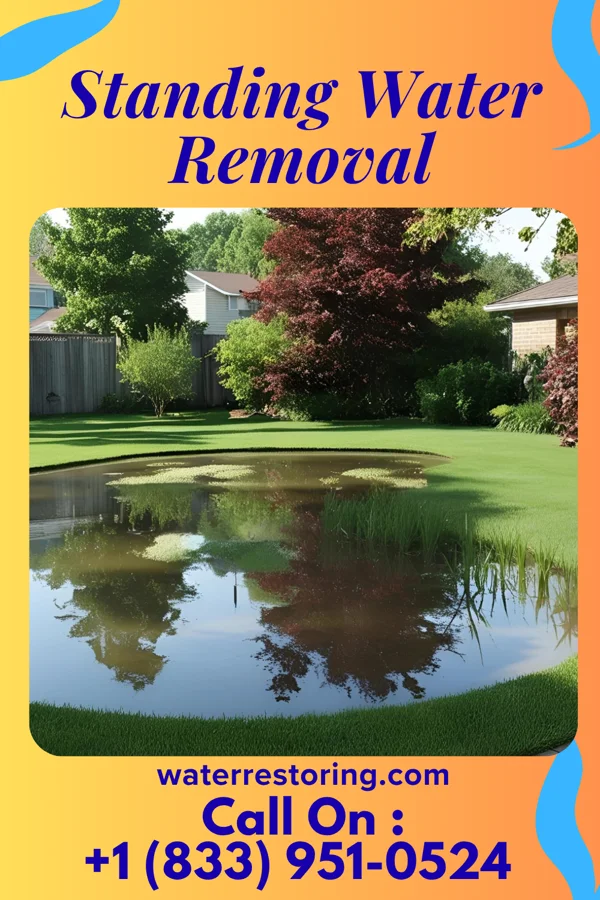
Common Standing Water Causes in Platinum
Most standing water removal calls in Platinum come from In Platinum, Alaska, the primary water damage causes are often related to flooding from rivers and streams, especially during spring thaw or heavy rain events. Additionally, leaking pipes and malfunctioning appliances in rural homes contribute to water damage, particularly in older structures.. A close second is Secondary causes include seepage from thawing permafrost, which is common in the region, and issues arising from poor drainage in remote areas. Snowmelt runoff can also lead to unexpected water accumulation in basements and crawl spaces.. If you know what is about to happen, the decisions during the first 48 hours get a lot easier.
Platinum, Alaska, experiences a subarctic climate with long, cold winters and short summers, which increases the risk of frozen pipes and subsequent bursting during thaw periods. The region's remote location also means slower emergency response times, making rapid water damage mitigation critical.
Most standing water removal calls in Platinum come from In Platinum, Alaska, the primary water damage causes are often related to flooding from rivers and streams, especially during spring thaw or heavy rain events. Additionally, leaking pipes and malfunctioning appliances in rural homes contribute to water damage, particularly in older structures.. Running a close second is Secondary causes include seepage from thawing permafrost, which is common in the region, and issues arising from poor drainage in remote areas. Snowmelt runoff can also lead to unexpected water accumulation in basements and crawl spaces.. Local mold risk: Mold growth in Platinum can occur within 24 hours of water exposure, especially in the high humidity levels that often accompany spring thaw. Due to the region's cold climate, mold can be more aggressive in damp, poorly ventilated spaces.
For public guidance on the health effects of mold after prolonged water exposure, see the EPA mold and health page.